Jayanagar 3rd Block East Bangalore-560011, Karnataka India

Insurance Case Study: Denied Abroad, Justice Won
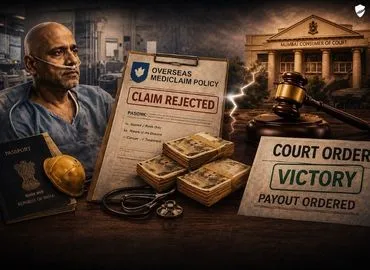
Insurance Case Study: Denied Abroad, Justice Won
A cancer diagnosis reportedly pushed a policyholder into a life-saving overseas treatment journey — but the real battle allegedly began after returning home and filing a massive insurance claim.
What followed became a major health insurance dispute involving international medical treatment, policy interpretation, alleged wrongful claim rejection, and consumer rights. A Mumbai consumer commission eventually directed the insurer to pay ₹66.5 lakh after reportedly finding unfair trade practices and deficiency in service.
Cancer Treatment Abroad Led to a Massive Insurance Claim Dispute
According to reports, the insured had purchased a comprehensive health insurance policy offering worldwide medical coverage, including treatment in the United States. During the policy period, the policyholder was reportedly diagnosed with colo-rectal cancer and sought advanced treatment abroad due to the seriousness of the illness. The treatment allegedly involved substantial hospitalization and medical expenses at an international cancer treatment center.
The total medical expenses reportedly crossed ₹88 lakh, and the policyholder later filed a claim seeking reimbursement under the overseas treatment coverage clause.
However, instead of smooth claim settlement, the matter reportedly escalated into a prolonged insurance dispute.
Insurer Allegedly Rejected the Overseas Treatment Reimbursement Claim
The insurer reportedly rejected the overseas cancer treatment claim by citing technical grounds and alleged non-disclosure of a pre-existing asthma condition.
According to the insurer:
The matter eventually reached consumer authorities for adjudication.
Policyholder Challenged the Denial Before Consumer Authorities
The policyholder reportedly approached the consumer commission after the insurer refused reimbursement.
During the proceedings, several major questions reportedly arose:
The policyholder reportedly argued that the insurer could not rely on technical gaps created by its own wrongful cancellation to deny reimbursement later.
Court Examined Medical Necessity, Policy Terms, and Claim Liability
After reviewing the evidence, the consumer commission reportedly held the insurer guilty of deficiency in service and unfair trade practices.
The commission reportedly observed that:
As a result, the commission reportedly directed the insurer to pay approximately ₹66.5 lakh toward the claim, and pay additional compensation for mental trauma and harassment.
The ruling reportedly reinforced that insurers cannot arbitrarily reject genuine critical illness claims through vague technical objections or unfair interpretation of policy clauses.
What This Insurance Case Study Reveals About Overseas Cancer Claims
This insurance case study highlights several important lessons for policyholders dealing with international medical treatment claims.
| # | Key Lesson | What It Means |
|---|---|---|
| 1 | Overseas Treatment Coverage Must Be Reviewed Carefully | Not all health insurance policies automatically cover foreign treatment expenses. |
| 2 | Medical Documentation Is Extremely Important | Hospital records, invoices, prescriptions, and treatment history can become critical during disputes. |
| 3 | Technical Grounds Cannot Always Override Genuine Claims | Consumer forums repeatedly examine whether insurers acted reasonably and fairly. |
| 4 | Wrongful Claim Rejection Can Be Challenged | Policyholders may approach insurance grievance cells, the Insurance Ombudsman, consumer forums, or civil courts. |
| 5 | Consumer Forums Strongly Protect Genuine Policyholders | Courts repeatedly emphasize fairness, transparency, and good faith in claim handling. |
Conclusion
Overseas medical treatment and cancer-related insurance claims can often lead to complex reimbursement disputes, especially when insurers question policy coverage, treatment necessity, or international hospitalization expenses. Courts and consumer forums have repeatedly emphasized that genuine policyholders should not be denied rightful compensation unfairly.
Policyholders should carefully review overseas treatment clauses, preserve medical documentation, and seek legal remedies if valid claims are rejected.
Stay updated with the best insurance case studies in India. Follow BasketOption.insure for real case studies, claim insights, policy reviews, and expert insurance advisory services. Visit https://basketoption.insure/ or get in touch with our experts today to explore insurance plans that truly care about your needs.
Latest Posts














Our Experts


Frequently Asked Questions
?What is an overseas treatment insurance claim?
An overseas treatment insurance claim is a request for reimbursement or compensation for medical expenses incurred outside India under a health insurance policy that covers international treatment or hospitalization.
?Why do insurers reject overseas cancer treatment claims?
Insurers may reject such claims due to policy exclusions, lack of overseas treatment coverage, alleged non-disclosure, documentation deficiencies, disputes regarding medical necessity, or interpretation of reimbursement clauses.
?What is a cancer insurance claim dispute?
A cancer insurance claim dispute arises when the insurer and policyholder disagree regarding coverage, reimbursement amount, eligibility, or claim settlement relating to cancer treatment expenses.
?What documents are important in overseas medical insurance disputes?
Important documents include insurance policy documents, hospital records and discharge summaries, treatment invoices and bills, medical opinions and prescriptions, travel and hospitalization records, and claim forms and insurer correspondence.
?Can policyholders challenge rejected overseas treatment claims?
Yes. Policyholders may approach insurance grievance cells, the Insurance Ombudsman, consumer forums, or civil courts if they believe the rejection was unfair or contrary to policy terms.
?What factors do courts examine in international medical insurance disputes?
Courts generally examine policy wording and exclusions, medical necessity of treatment, nature of overseas treatment coverage, supporting medical evidence, conduct of the insurer, and whether rejection was reasonable and justified.
?Are cancer treatment expenses covered under health insurance policies?
Coverage depends on the specific policy terms, waiting periods, exclusions, critical illness benefits, and whether international treatment coverage exists.
?What lessons does this insurance case study teach policyholders?
This case highlights the importance of understanding overseas treatment coverage, reviewing policy exclusions carefully, maintaining detailed medical records, preserving claim documentation, and challenging wrongful claim rejection legally.
?What is deficiency in service in health insurance disputes?
Deficiency in service refers to unfair, improper, delayed, or unreasonable handling of insurance claims by the insurer.
?Why are overseas treatment insurance case studies important?
These case studies help policyholders understand real-world international medical claim disputes, consumer rights, insurer obligations, reimbursement issues, and how courts interpret overseas health insurance coverage.