Jayanagar 3rd Block East Bangalore-560011, Karnataka India

Insurance Case Study India: 900 Flight Claims & 20+ Identities: Insurance Fraud Case
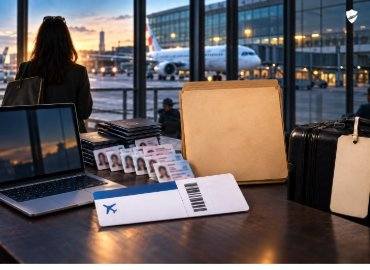
Insurance Case Study India: 900 Flight Claims & 20+ Identities: Insurance Fraud Case
Flight delays are usually frustrating for passengers. But one unusual case from China showed how flight delay insurance could allegedly be manipulated on a massive scale.
A woman identified by her surname, Li, reportedly used identity information belonging to more than 20 relatives and friends, purchased tickets for flights she believed were likely to be delayed and repeatedly obtained payouts under flight delay insurance.
The operation reportedly involved nearly 900 flight-delay claims and generated more than 3 million yuan in insurance payouts.
Li had previously worked in the aviation services industry and was familiar with flight operations and the process of claiming compensation for delays.
What initially appeared to some observers as clever exploitation of flight-delay probabilities eventually became an insurance fraud investigation after police said fabricated journeys and false supporting information were involved.
The case provides an unusual example of how repeated claims, multiple identities and manipulated information can create significant insurance fraud exposure.
How Nearly 900 Flight Delay Claims Were Made
According to reports, Li's alleged operation began around 2015. Her previous aviation-industry experience gave her familiarity with flight delays and insurance claim procedures.
Rather than randomly purchasing airline tickets, she reportedly studied flights that had higher probabilities of delay. Weather conditions and previous delay patterns were among the factors she considered.
She would then purchase tickets and flight delay insurance. However, many of these bookings reportedly did not represent genuine travel plans.
If the selected flight appeared likely to operate normally, she could cancel the ticket before departure to reduce her potential loss. If the flight was delayed, an insurance claim could then be submitted.
This process was reportedly repeated hundreds of times.
By the time authorities investigated the activity, nearly 900 instances involving flight delays had reportedly resulted in more than 3 million yuan in insurance payouts.
Why Were More Than 20 Identities Used?
One of the most striking elements of the flight delay insurance fraud case was the use of multiple identities.
Reports said Li obtained identity-card numbers, passport details and banking information belonging to more than 20 relatives and friends.
Authorities alleged that she used multiple identities to purchase tickets and take out numerous flight delay insurance policies. In some instances, four or five identities could reportedly be used for a particular flight. Reports also indicated that dozens of flight delay insurance policies could be purchased under an individual identity.
The proceeds from claims associated with different identities reportedly flowed back to Li.
This pattern eventually attracted attention. An insurance company noticed repeated claims involving different passport and identity numbers and reported its suspicions to Nanjing police.
Investigators subsequently examined the accounts and identified links between the various insurance payouts. When authorities searched Li's residence, they reportedly found records containing flight information and details relating to insurance claims.
How the Flight Delay Insurance Scheme Worked
The alleged strategy combined knowledge of aviation operations with repeated insurance purchases.
The first stage involved identifying flights with a relatively high probability of delay. Li reportedly analysed flight information and weather conditions before deciding which flights to target.
The second stage involved booking tickets using multiple identities and purchasing flight delay insurance.
The third stage involved monitoring the flight. If it appeared likely to operate normally, the ticket could be cancelled before departure. If the flight was delayed, claims could be made under the associated flight delay insurance policies.
This created a system in which potential losses from flights operating normally could be reduced while delays could generate insurance payouts.
But the case was not simply about accurately predicting delayed flights. Police later said the investigation involved fabricated journeys and materials relating to flight delays.
That distinction became important because purchasing insurance on a genuinely planned journey and subsequently experiencing a covered delay is fundamentally different from deliberately creating false circumstances or information to obtain an insurance payout.
Why Did It Become an Insurance Fraud Investigation?
The case initially generated debate over whether Li had simply identified a weakness in the insurance system. After all, predicting which flights might be delayed is not, by itself, necessarily insurance fraud.
The critical issue was the intention and information behind the claims.
Nanjing police said the investigation found conduct involving fictitious travel arrangements and alleged fabrication relating to flight delays. The multiple identities and concentration of insurance payouts also became part of the investigation.
Li was subsequently taken into custody as authorities investigated suspected fraud and insurance fraud.
The case therefore demonstrates an important distinction in insurance. A legitimate insurance claim involves a genuine insured interest or event that satisfies the applicable policy conditions. Deliberately fabricating circumstances, documents, identities or claim information in order to obtain an insurance payout can turn a claim into suspected fraud.
At the time of the contemporary reports, authorities said the matter remained under further investigation.
What This Insurance Fraud Case Teaches
The case demonstrates why insurers increasingly use data and claim-pattern analysis when assessing unusual activity.
One isolated flight delay claim may appear completely ordinary. Hundreds of claims connected through identities, bank accounts, booking behaviour or other common data points can present a very different pattern.
This is particularly relevant as insurance becomes more digital. Online policy purchases and automated claims can make insurance faster and more convenient for genuine customers. At the same time, insurers need controls capable of identifying suspicious patterns without creating unnecessary difficulties for legitimate policyholders.
The case also highlights the difference between understanding insurance conditions and manipulating them. Knowing how an insurance product works is not itself improper. The problem arises when false information, fabricated circumstances or other deceptive methods are allegedly used to obtain benefits that would otherwise not be payable.
For insurers, effective fraud detection protects the insurance pool. For policyholders, the lesson is equally straightforward: claims should accurately reflect the genuine insured event and be supported by truthful information and documentation.
Conclusion
The case involving nearly 900 flight-delay claims and more than 20 identities became one of the more unusual examples of alleged insurance fraud involving travel-related coverage.
Li reportedly used her aviation-industry knowledge to identify flights likely to be delayed, purchased tickets and flight delay insurance using multiple identities, monitored flight conditions and submitted claims when delays occurred. The activity reportedly generated more than 3 million yuan in insurance payouts.
But what initially appeared to some observers as clever exploitation of probability became a police investigation after authorities alleged that fictitious journeys and fabricated information were involved.
The case demonstrates why insurance fraud is not simply about the amount claimed. Intent, identity, documentation, the existence of a genuine insured event and the accuracy of information provided during the claim can all matter.
For the insurance industry, the case also demonstrates the importance of detecting unusual claim patterns while maintaining efficient claim processes for genuine policyholders.
Insurance is designed to protect against genuine financial risks and unexpected events. Whether you are buying travel, health, motor, business or other insurance, understanding the policy conditions before a claim occurs can help prevent confusion when protection is actually needed.
For businesses, regular policy and claims reviews can also help identify unusual patterns, coverage gaps and areas requiring stronger risk management.
Contact us today or visit BasketOption.insure, the leading insurance brokers in Bangalore, for your policy, claims review, and expert advisory services. Visit https://basketoption.insure/ or get in touch with our experts today to explore insurance plans that truly care about your needs.
Latest Posts












Our Experts


Frequently Asked Questions
?What was the 900-flight insurance case about?
The case involved a Chinese woman surnamed Li who was investigated after obtaining insurance payouts connected with nearly 900 instances of flight delays.
?How much did she reportedly receive?
Contemporary reports said the insurance payouts exceeded 3 million yuan, approximately US$423,600 at the time.
?What type of insurance was involved?
The case involved flight delay insurance, which can provide compensation when an insured flight meets specified delay conditions under the policy.
?How many identities were reportedly involved?
Reports said identity and banking information belonging to more than 20 relatives and friends was involved.
?Why did she choose particular flights?
She reportedly analysed flight and weather information and targeted flights she believed had a higher probability of being delayed.
?Did she actually intend to travel on all the flights?
Police reporting alleged that many of the bookings involved fictitious journeys rather than genuine travel plans.
?How was the activity discovered?
An insurance company reportedly noticed repeated claims involving different identity and passport numbers and alerted Nanjing police.
?Is predicting a flight delay itself insurance fraud?
No. Simply analysing whether a flight might be delayed does not by itself establish insurance fraud. The concern arises where deception, fabricated circumstances or false information is deliberately used to obtain insurance payouts.
?Why are multiple claims important in insurance fraud detection?
Repeated claims can reveal patterns across identities, accounts, policies and events. Insurers may analyse such patterns when investigating potentially suspicious activity.
?What is the main insurance lesson from this case?
Insurance claims should arise from genuine insured events and contain accurate information. Deliberately fabricating circumstances or supporting information to obtain a payout can result in fraud investigations.