Jayanagar 3rd Block East Bangalore-560011, Karnataka India

Insurance Case Study India: ₹5.04 Lakh Motor Claim: Insurer's Appeal Dismissed

Insurance Case Study India: ₹5.04 Lakh Motor Claim: Insurer's Appeal Dismissed
A motor accident compensation claim can involve more than determining who caused an accident and how much compensation should be awarded. Disputes can also arise over the driver's licence, insurance policy conditions and the insurer's liability to pay.
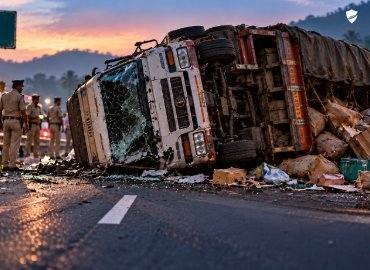
In this case, the Motor Accident Claims Tribunal awarded approximately ₹5.04 lakh as compensation following a fatal road accident involving a truck.
The insurance company challenged the award, arguing that the driver of the offending vehicle did not possess a valid and effective driving licence.
The dispute therefore raised an important question: can an insurer avoid liability simply by raising a driving licence objection?
The court examined whether the insurer had properly raised and established its defence. Ultimately, the insurer's appeal was dismissed, leaving the compensation award in favour of the claimants undisturbed.
This motor accident compensation claim highlights the importance of pleadings and evidence when an insurer seeks to avoid liability on the basis of a driving licence dispute.
The Fatal Accident Led to a ₹5.04 Lakh Compensation Award
The case arose from a fatal road accident involving a truck. Following the accident, the claimants approached the Motor Accident Claims Tribunal seeking compensation.
The Tribunal considered the circumstances of the accident and the material placed before it before awarding approximately ₹5.04 lakh in compensation.
However, the matter did not end with the Tribunal's decision. The insurance company challenged the award and sought to dispute its liability to pay the compensation.
The insurer's challenge centred on the driving licence held by the driver of the offending truck.
This transformed the case from a straightforward road accident compensation matter into a dispute over the insurer's liability under the motor insurance policy.
The Insurer Challenged the Driver's Licence
The insurance company argued that the driver of the offending truck did not possess a valid and effective driving licence. On this basis, the insurer sought to avoid liability for the compensation awarded by the Motor Accident Claims Tribunal.
Driving licence disputes can become important in a motor insurance claim, particularly where an insurer alleges that the vehicle was being driven in breach of the applicable policy conditions.
However, raising such an allegation and legally establishing it are not necessarily the same thing.
The court therefore examined whether the insurer had properly raised the driving licence issue and whether sufficient evidence had been produced to establish the alleged breach.
This became the central issue in the insurer's appeal.
The Driving Licence Defence Was Not Properly Established
The court examined the insurer's arguments regarding the driver's licence.
A significant issue was that the contention concerning the validity of the driving licence had not been properly pleaded in the insurer's written statement. The court also found that the insurer had not produced sufficient evidence to establish the defence it was relying upon.
This distinction was important. An allegation that a driver did not possess a valid or effective licence does not automatically establish that an insurer has no liability in a motor accident compensation claim.
The insurer seeking to rely on such a defence must properly raise the issue and support its position with appropriate evidence.
The case therefore demonstrates the importance of evidence in a motor insurance driving licence dispute. Where an insurer seeks to avoid liability because of an alleged licence-related breach, the specific facts, pleadings, evidence and applicable insurance conditions can all become important.
The Court Dismissed the Insurer's Appeal
After examining the insurer's arguments, the court was not persuaded that the driving licence defence had been properly established. The insurer's challenge to the compensation award therefore failed.
The court dismissed the insurer's appeal, leaving the Tribunal's award of approximately ₹5.04 lakh in favour of the claimants undisturbed.
The outcome highlights an important distinction in a motor accident claim appeal. An insurer may raise a defence relating to the driver's licence or an alleged breach of policy conditions, but the defence must still be established through the appropriate legal process and supported by evidence.
A driving licence allegation by itself may not be sufficient to relieve an insurer of liability.
For claimants, the decision demonstrates why the evidence presented before the Motor Accident Claims Tribunal can become important when an award is subsequently challenged.
What This Motor Accident Compensation Case Teaches
This motor accident compensation claim provides useful lessons for accident victims, vehicle owners and policyholders.
First, a driving licence dispute does not automatically mean that an insurer will escape liability. The circumstances surrounding the licence, the insurance policy, the manner in which the defence was raised and the supporting evidence may all become relevant.
Second, insurers seeking to rely on a policy-related defence generally need to properly raise and establish that defence. Merely making an allegation may not be enough.
Third, vehicle owners should ensure that anyone authorised to drive their vehicle possesses a valid and appropriate driving licence for that vehicle. Maintaining copies of the driving licence, registration certificate, insurance policy, permit and other relevant vehicle documents can help reduce complications following an accident.
Finally, accident victims and their families should preserve important records relating to a MACT compensation case, including the FIR, accident records, medical or post-mortem documents, income evidence and insurance information. Proper documentation can become especially important when compensation or insurer liability is challenged.
Conclusion
This motor accident compensation claim highlights an important issue that frequently arises in road accident cases: whether an insurer can avoid liability by questioning the validity of the offending vehicle driver's driving licence.
In this case, the Motor Accident Claims Tribunal awarded approximately ₹5.04 lakh as compensation to the claimants following a fatal road accident.
The insurer challenged the award and argued that it should not be held liable because the driver of the offending truck did not possess a valid and effective driving licence. However, the court examined how this defence had been raised and supported.
A significant issue was that the insurer's contention regarding the driver's licence had neither been properly pleaded in its written statement nor supported by sufficient evidence.
Ultimately, the insurer's appeal was dismissed, leaving the compensation award in favour of the claimants undisturbed.
The case demonstrates that merely raising a driving licence objection may not automatically relieve an insurance company of liability in a motor accident compensation claim. The defence must be properly raised and supported by appropriate evidence.
For accident victims and their families, the case also demonstrates why documents relating to the accident, vehicle, insurance policy, police investigation and compensation proceedings should be carefully preserved.
For vehicle owners, it reinforces the importance of ensuring that drivers possess valid and appropriate driving licences and that the vehicle is operated in accordance with applicable insurance and legal requirements.
Motor accident compensation disputes can involve questions relating to negligence, driving licences, policy conditions, vehicle ownership, insurance liability and the calculation of compensation. Understanding the insurance policy and maintaining proper vehicle and driver documentation can help reduce complications when a serious accident occurs.
If an insurance or motor accident claim involves a disputed driving licence, policy condition or insurer liability, the relevant policy documents, driving licence records, accident records and claim correspondence should be carefully reviewed.
Contact us today or visit BasketOption.insure, the leading insurance brokers in Bangalore, for your policy, claims review, and expert advisory services. Visit https://basketoption.insure/ or get in touch with our experts today to explore insurance plans that truly care about your needs.
Latest Posts











Our Experts


Frequently Asked Questions
?What was the ₹5.04 lakh motor accident case about?
The case involved compensation awarded following a fatal motor accident. The Motor Accident Claims Tribunal awarded approximately ₹5.04 lakh to the claimants, and the insurer subsequently challenged its liability.
?Why did the insurance company challenge the compensation award?
The insurer argued that it should not be liable because the driver of the offending truck allegedly did not possess a valid and effective driving licence.
?How much compensation did the Tribunal award?
The Motor Accident Claims Tribunal awarded approximately ₹5.04 lakh as compensation to the claimants.
?Why was the driving licence important in the case?
The insurer relied on the alleged absence of a valid and effective driving licence as a ground for challenging its liability to pay compensation.
?Was the driving licence defence properly established?
The court noted that the insurer's contention regarding the driver's licence had not been properly pleaded in its written statement and was not sufficiently established through evidence.
?Can an insurer automatically avoid liability if there is a driving licence issue?
Not necessarily. The specific facts, policy conditions, pleadings and evidence can all become important. A licence-related allegation alone may not automatically remove the insurer's liability.
?What happened to the insurer's appeal?
The court dismissed the insurer's appeal, leaving the compensation award in favour of the claimants undisturbed.
?What documents are important in a motor accident compensation claim?
Relevant documents can include the FIR, accident records, insurance policy, registration certificate, driving licence records, medical or post-mortem records, income evidence and documents submitted before the Motor Accident Claims Tribunal.
?Why should vehicle owners verify driving licences?
Ensuring that drivers possess valid and appropriate driving licences can help prevent disputes regarding policy conditions and insurer liability following an accident.
?What is the main lesson from this motor accident compensation case?
The key lesson is that an insurer seeking to avoid liability on the basis of a driving licence dispute must properly raise and establish its defence. Merely alleging a licence-related issue may not be sufficient to defeat a motor accident compensation claim.