Jayanagar 3rd Block East Bangalore-560011, Karnataka India

Insurance Case Study: Drunk Driving Not Proven
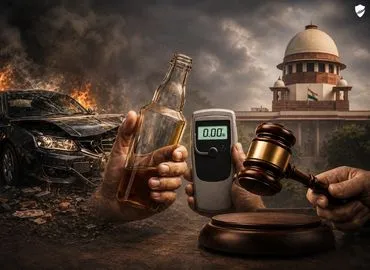
Insurance Case Study: Drunk Driving Not Proven
A serious motor accident reportedly turned into a major legal battle after the insurer allegedly rejected the insurance claim on grounds of "drunk driving."
The insurer reportedly argued that the driver was under the influence of alcohol at the time of the accident and therefore violated policy conditions. However, the policyholder strongly disputed the allegation, claiming there was no proper proof of intoxication.
What followed became a significant insurance dispute involving medical evidence, burden of proof, consumer rights, and insurer liability. Courts and consumer forums in India have repeatedly emphasized that insurers cannot reject claims merely on suspicion of alcohol consumption without sufficient evidence proving impairment or drunken driving.
The Insurance Claim Was Rejected Over Alleged Drunk Driving
According to reports and judicial observations in similar insurance case studies in India, insurers often invoke policy exclusion clauses where they suspect intoxication during a motor accident.
In this insurance case study, the insurer reportedly rejected the accident-related claim by alleging:
The dispute reportedly escalated because the insurer allegedly relied heavily on suspicion, circumstantial assumptions, or incomplete evidence instead of definitive proof of impairment.
Policyholder Argued There Was No Proof of Intoxication
The policyholder reportedly challenged the rejection by arguing that:
The Kerala High Court recently observed that the mere presence of alcohol in the bloodstream does not automatically establish drunken driving or impairment sufficient to deny insurance liability. The insurer must establish that alcohol materially contributed to the accident.
Similarly, several courts have examined whether proper evidence existed to show that intoxication directly caused the accident or violated policy conditions materially.
The policyholder reportedly argued that suspicion alone could not legally defeat a genuine insurance claim.
Insurer Relied on Alcohol Allegations to Deny Compensation
The insurer reportedly defended the rejection by relying upon policy exclusion clauses, medical observations mentioning alcohol smell, investigation reports, and alleged violation of motor vehicle laws.
Insurance companies often argue that intoxicated driving breaches policy conditions and increases accident risk significantly.
However, courts have repeatedly emphasized that insurers generally bear the burden of establishing actual intoxication, material impairment, and a causal connection between intoxication and accident.
In several judicial decisions, courts have refused to allow insurers to escape liability merely because alcohol was allegedly present in the driver's body without sufficient supporting evidence.
The dispute reportedly became a major legal battle over evidentiary standards and consumer rights.
Court Examined Medical Evidence, Investigation, and Claim Liability
During judicial scrutiny, the court reportedly examined several important issues:
The Kerala High Court specifically observed that insurers cannot deny claims merely because alcohol was detected unless they prove impairment of faculties and causal connection with the accident.
In another recent consumer dispute, the Chandigarh Consumer Commission reportedly ordered compensation after an insurer rejected a motor accident claim based partly on suspected drunken driving without sufficient proof.
The court in this case reportedly concluded that the insurer failed to establish adequate proof of intoxication and therefore directed settlement of the insurance claim.
What This Insurance Case Study Reveals About Drunk Driving Allegations
This insurance case study highlights several important lessons for policyholders facing alcohol-related claim disputes.
| # | Key Lesson | What It Means |
|---|---|---|
| 1 | Suspicion Alone May Not Defeat a Claim | Insurers generally require proper medical or forensic evidence before rejecting claims for drunken driving. |
| 2 | Medical Documentation Is Extremely Important | Hospital records, blood alcohol reports, FIRs, and investigation documents can become critical evidence. |
| 3 | Courts Examine Causal Connection Carefully | The insurer may need to establish that intoxication materially contributed to the accident. |
| 4 | Policyholders Can Challenge Wrongful Rejection | Consumers may approach insurance grievance cells, the Insurance Ombudsman, consumer forums, or civil courts. |
| 5 | Consumer Forums Protect Genuine Claims | Courts repeatedly emphasize fairness, evidence, and proper investigation standards during claim handling. |
Conclusion
Motor insurance disputes involving allegations of drunk driving often become highly contentious when insurers reject claims without clear medical or forensic proof of intoxication. Courts and consumer forums have repeatedly emphasized that suspicion alone cannot defeat a genuine insurance claim unless the insurer can establish proper evidence showing drunken driving or impairment at the time of the accident.
Policyholders should preserve medical records, investigation reports, and accident-related documentation carefully when facing such allegations.
Stay updated with the best insurance case studies in India. Follow BasketOption.insure for real case studies, claim insights, policy reviews, and expert insurance advisory services. Visit https://basketoption.insure/ or get in touch with our experts today to explore insurance plans that truly care about your needs.
Latest Posts





Our Experts


Frequently Asked Questions
?What is a drunk driving insurance claim dispute?
A drunk driving insurance claim dispute arises when an insurer rejects or limits compensation after alleging that the driver was intoxicated or driving under the influence of alcohol during the accident.
?Can insurers reject claims merely on suspicion of drunk driving?
Courts and consumer forums in India have repeatedly observed that insurers generally require proper evidence such as medical reports, blood alcohol tests, or investigation findings before rejecting claims on grounds of drunken driving. Mere suspicion alone may not be sufficient.
?What evidence is usually examined in intoxication-related insurance disputes?
Important evidence may include blood alcohol test reports, medical examination records, FIRs and police investigation reports, witness statements, accident reports, hospital records, and surveyor findings.
?What is a wrongful insurance claim rejection?
A wrongful insurance claim rejection occurs when a genuine claim is denied unfairly, without sufficient evidence, or based on unsupported allegations.
?Can policyholders legally challenge drunk driving claim rejection?
Yes. Policyholders may approach insurance grievance cells, the Insurance Ombudsman, consumer forums, or civil courts if they believe the insurer wrongfully rejected the claim.
?What factors do courts examine in drunk driving insurance disputes?
Courts generally examine whether intoxication was properly proven, medical and forensic evidence, circumstances of the accident, policy wording and exclusions, conduct of the insurer, and whether the insurer established breach of policy conditions.
?Does the presence of alcohol automatically void insurance coverage?
Not necessarily. Courts have repeatedly distinguished between mere alcohol presence and actual impairment affecting driving ability. The insurer generally must prove material intoxication or policy breach.
?What lessons does this insurance case study teach policyholders?
This case highlights the importance of preserving medical and accident records, understanding policy exclusions carefully, cooperating during claim investigations, challenging unsupported allegations legally, and maintaining complete documentation.
?What is deficiency in service in motor insurance disputes?
Deficiency in service refers to unfair, unreasonable, delayed, or improper claim handling by an insurer under the insurance contract.
?Why are drunk driving insurance case studies important?
These case studies help policyholders understand insurer obligations, evidentiary standards, consumer rights, accident claim disputes, and how courts evaluate allegations of intoxication in motor insurance claims.