Jayanagar 3rd Block East Bangalore-560011, Karnataka India

Insurance Case Study India: ₹35 Lakh Fire Insurance Claim Rejected: Legal Mistake
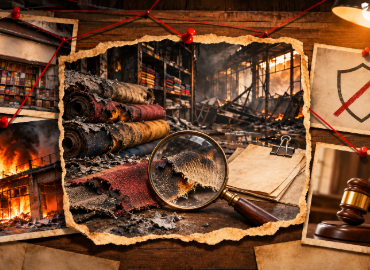
Insurance Case Study India: ₹35 Lakh Fire Insurance Claim Rejected: Legal Mistake
A fire can destroy a business within hours. But recovering the financial loss through insurance can become a legal battle lasting years.
A case involving a textile business in Amritsar demonstrates how a fire insurance claim rejection can become even more complicated when the policyholder fails to challenge the insurer's decision through the appropriate legal remedy.
Ramesh Chander, who operated M/s Bhardwaj Textiles, had insurance covering goods stored at his business premises.
On Diwali, a fire broke out and allegedly damaged the insured stock.
He sought ₹35 lakh with interest from the insurers.
However, the claims were rejected following concerns raised during the survey and assessment process.
The policyholder approached consumer forums and later filed civil suits seeking recovery of the insurance amount.
The dispute eventually reached the Punjab and Haryana High Court.
On 26 March 2019, the High Court dismissed both second appeals, leaving the claimed recovery unsuccessful.
The case highlights an important lesson: proving an insured loss matters, but properly challenging an insurance claim rejection can be equally important.
A Diwali Fire Led to a ₹35 Lakh Insurance Claim
Ramesh Chander operated M/s Bhardwaj Textiles in Amritsar.
The business maintained insurance covering goods stored at its premises.
During Diwali, a fire reportedly broke out and caused damage to the insured stock.
For a textile business, a fire can create significant financial consequences.
Raw materials, finished goods, inventory and other business assets may be damaged or destroyed.
Following the incident, Ramesh Chander submitted insurance claims seeking recovery of the alleged loss.
The amount claimed was ₹35 lakh with interest.
However, the claim did not proceed to settlement.
The insurers questioned the evidence supporting the reported damage.
The dispute subsequently developed into a lengthy legal battle involving consumer commissions and civil courts.
Why Did the Insurers Reject the Fire Insurance Claims?
An important part of the dispute concerned the surveyor's assessment.
In commercial fire insurance claims, surveyors examine the circumstances of the incident and assess the nature and extent of the reported loss.
They may review damaged stock, purchase records, inventory statements, accounting information and other supporting documents.
In this case, the surveyor was not satisfied with the evidence presented to establish the claimed loss.
The insurers subsequently repudiated the claims.
This created two separate issues.
First, the policyholder needed to establish that the alleged stock loss had occurred and was recoverable under the relevant insurance policies.
Second, once the claims were rejected, the legal challenge needed to address the insurers' repudiation decisions and the findings relied upon.
The distinction later became central to the High Court proceedings.
The case demonstrates why accurate stock records and complete documentation are essential when a business makes a substantial fire insurance claim.
The Dispute Reached Consumer Commissions and Civil Courts
After the claims were rejected, Ramesh Chander approached the State Consumer Commission.
His challenge was unsuccessful.
He subsequently approached the National Consumer Commission, but that proceeding also did not produce the recovery he sought.
The policyholder later filed civil suits seeking recovery of the insurance amount.
However, the dispute continued.
The matter eventually reached the Punjab and Haryana High Court through two regular second appeals.
The appeals involved The New India Assurance Company Ltd. and National Insurance Company Ltd.
The central legal difficulty was no longer limited to whether the fire had caused damage.
It also concerned how the policyholder had framed his legal claims.
The High Court examined whether the civil proceedings had properly challenged the decisions on which the insurers relied when rejecting the claims.
The Legal Mistake That Led to the High Court Dismissal
The most important aspect of the case was the legal approach adopted after the insurance claims were repudiated.
Ramesh Chander had sought recovery of the claimed insurance amount.
However, the High Court found that he had not specifically challenged the surveyor's findings and the insurers' repudiation decisions.
This became a significant problem.
When an insurer rejects a claim, the repudiation decision and the reasons supporting it may become central to any subsequent legal proceedings.
A policyholder seeking recovery may need to challenge those findings and decisions through the appropriate legal process.
Simply demanding payment may not adequately address the existing basis for rejection.
In this case, the High Court found no substantial question of law warranting interference in the second appeals.
Both appeals were dismissed.
Consequently, the ₹35 lakh recovery remained unsuccessful.
The outcome demonstrates how an insurance dispute can be affected not only by the evidence surrounding the loss but also by the legal remedy pursued after repudiation.
What This Fire Insurance Case Teaches Businesses
The first lesson is to maintain reliable stock and accounting records.
For businesses holding substantial inventory, accurate documentation can help establish what stock existed before a fire and the value of the goods allegedly damaged.
Purchase invoices, stock registers, GST records and financial statements can become important evidence during a claim assessment.
Second, businesses should document the incident immediately.
Photographs, videos, fire brigade reports, police records where applicable, and other evidence can help establish the circumstances and extent of the loss.
Third, cooperation with the insurance surveyor is important.
Businesses should provide requested documents, clarify discrepancies and preserve records of all information submitted.
Fourth, an insurance claim rejection should be examined carefully.
The repudiation letter and relevant survey findings can help identify why the insurer refused payment.
Finally, businesses should obtain appropriate legal advice before initiating proceedings following a disputed claim.
The relief requested should address the relevant decisions and issues in the dispute.
An insurance policy is important, but accurate loss documentation and an appropriate response to claim repudiation are equally critical.
Conclusion
The ₹35 lakh fire insurance claim rejection involving M/s Bhardwaj Textiles demonstrates how a commercial insurance dispute can continue for years.
Following a Diwali fire, Ramesh Chander sought compensation for alleged damage to insured stock.
However, the insurers rejected the claims after the survey assessment raised concerns about the supporting evidence.
The policyholder approached consumer commissions and subsequently pursued civil recovery proceedings.
When the dispute reached the Punjab and Haryana High Court, a significant legal issue emerged.
The recovery suits had not specifically challenged the surveyor's findings and the insurers' repudiation decisions.
The High Court found no substantial question of law and dismissed both second appeals.
The ₹35 lakh recovery therefore remained unsuccessful.
The lesson for businesses is clear:
Having insurance is not enough. Businesses must document their losses carefully and understand how to challenge a claim rejection through the appropriate legal process.
A major fire can create financial pressure on any business, particularly when valuable stock and inventory are involved.
Reviewing your insurance coverage, maintaining proper documentation and understanding claim requirements before a loss occurs can help reduce avoidable complications.
If your business has experienced a fire insurance claim rejection, reviewing the policy conditions, survey findings and repudiation reasons can help clarify the next steps.
Contact us today or visit BasketOption.insure, the leading insurance brokers in Bangalore, for your policy, claims review, and expert advisory services. Visit https://basketoption.insure/ or get in touch with our experts today to explore insurance plans that truly care about your needs.
Latest Posts









Our Experts


Frequently Asked Questions
?What was the ₹35 lakh fire insurance case about?
The case involved Ramesh Chander of M/s Bhardwaj Textiles, who sought ₹35 lakh with interest following alleged stock damage caused by a Diwali fire.
?Which insurance companies were involved?
The proceedings involved The New India Assurance Company Ltd. and National Insurance Company Ltd.
?Why were the fire insurance claims rejected?
The insurers rejected the claims after concerns arose during the survey assessment regarding the evidence supporting the alleged stock loss.
?Did the policyholder approach consumer commissions?
Yes. He pursued proceedings before the State Consumer Commission and National Consumer Commission but did not obtain the recovery sought.
?Why did the dispute reach the High Court?
The policyholder later filed civil suits seeking recovery of the insurance amount, and the dispute ultimately reached the Punjab and Haryana High Court through second appeals.
?What was the legal mistake in the case?
The recovery proceedings did not specifically challenge the surveyor's findings and the insurers' repudiation decisions.
?What did the Punjab and Haryana High Court decide?
On 26 March 2019, the High Court found no substantial question of law and dismissed both second appeals.
?Was the ₹35 lakh insurance claim paid?
No. The claimed recovery remained unsuccessful following the High Court's dismissal of the appeals.
?What documents can help support a commercial fire insurance claim?
Depending on the circumstances, businesses may need stock registers, purchase invoices, accounting records, GST documentation, photographs, fire reports and other evidence establishing the loss.
?What should a business do after a fire insurance claim is rejected?
The business should review the repudiation letter, relevant survey findings, policy conditions and supporting documents. It should also obtain appropriate advice regarding available grievance and legal remedies.