Jayanagar 3rd Block East Bangalore-560011, Karnataka India

Insurance Case Study India: Hidden Facts Cost ₹28 Lakhs
Insurance Case Study India: Hidden Facts Cost ₹28 Lakhs
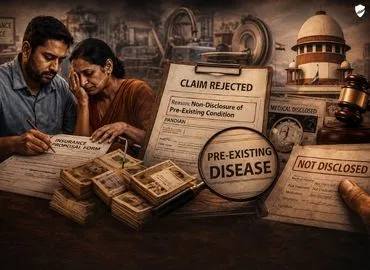
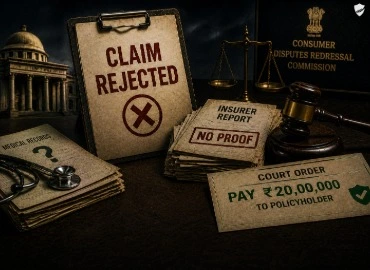
Insurance contracts are built on the principle of complete and honest disclosure. In this insurance case study in India, a major insurance claim reportedly became the centre of controversy after the insurer alleged that important medical information had not been disclosed while purchasing the policy. The dispute eventually led to rejection of a claim worth nearly ₹28 lakhs.
According to the insurer, the policyholder allegedly failed to reveal certain medical conditions and treatment history in the insurance proposal form. The insurer argued that these undisclosed details were "material facts" that directly affected the underwriting decision and risk evaluation process. Under insurance law, suppression of material information can become a major ground for claim repudiation.
Insurer Allegedly Discovered Hidden Medical Information in the Proposal Form
During claim verification, the insurer reportedly reviewed previous hospitalization records, prescriptions, diagnostic reports, and medical history documents. Based on these records, the insurer claimed that the insured person had concealed pre-existing diseases while applying for the policy.
Such disputes are common in health insurance and life insurance matters involving conditions like:
Questions Emerged Over Non-Disclosure and Pre-Existing Disease History
The dispute reportedly intensified when questions arose regarding whether the alleged non-disclosure was truly intentional and material to the insurance risk. The policyholder's family allegedly argued that:
Courts have also examined situations where proposal forms were filled by insurance agents without properly explaining disclosure obligations to customers. In such cases, liability may depend heavily on evidence and surrounding circumstances.
Court Examined Material Facts, Policy Obligations, and Claim Rejection
The legal dispute eventually focused on several important questions:
At the same time, courts have also clarified that deliberate concealment of important medical history can legitimately permit insurers to deny claims where the omission materially affected the insurance risk accepted by the insurer.
What This Insurance Case Study Reveals About Insurance Form Disclosures
This insurance case study in India highlights how proposal forms can become the deciding factor in major insurance disputes. Even small omissions or inaccurate disclosures may later result in claim rejection, lengthy litigation, and significant financial consequences.
Policyholders should always:
Conclusion
Insurance proposal forms are not mere paperwork — they form the foundation of the insurance contract itself. Courts and consumer forums have repeatedly emphasized that policyholders must disclose material facts honestly, especially regarding medical history, pre-existing diseases, and prior treatments.
At the same time, insurers cannot mechanically reject claims unless they establish that the alleged non-disclosure was material, intentional, and directly connected to the insurance risk. Policyholders should carefully review proposal forms, verify information filled by agents, and preserve medical records to avoid costly insurance disputes later.
Stay updated with the best insurance case studies in India. Follow BasketOption.insure for real case studies, claim insights, policy reviews, and expert insurance advisory services. Visit https://basketoption.insure/ or get in touch with our experts today to explore insurance plans that truly care about your needs.
Latest Posts






Our Experts


Frequently Asked Questions
?What is a non-disclosure insurance claim rejection?
A non-disclosure insurance claim rejection occurs when an insurer denies a claim alleging that the policyholder failed to disclose important or "material" information while purchasing the insurance policy.
?What is a material fact in insurance law?
A material fact is any information that could influence an insurer's decision to issue the policy, decide premium rates, evaluate the insurance risk, or apply exclusions or conditions. Courts have repeatedly observed that material facts must be disclosed under the principle of utmost good faith in insurance contracts.
?Why do insurers reject claims over pre-existing diseases?
Insurers may reject claims if they believe the policyholder concealed medical history, failed to disclose prior illnesses, suppressed hospitalization details, hid previous treatments or surgeries, or provided inaccurate information in proposal forms. However, courts often examine whether the alleged non-disclosure was actually material and intentional.
?What documents are important in non-disclosure insurance disputes?
Important documents include insurance proposal forms, medical reports and prescriptions, hospital and treatment records, claim forms and insurer correspondence, diagnostic reports, premium payment receipts, and policy documents and exclusions.
?Can insurers reject claims if the policyholder was unaware of the illness?
Courts and consumer forums have repeatedly held that insurers must establish conscious and material suppression of facts. If the insured was genuinely unaware of a medical condition, rejection may not always be justified.
?What happens if an insurance agent fills the proposal form incorrectly?
Courts have examined cases where insurance agents filled forms improperly or failed to explain disclosure requirements to policyholders. Liability may depend on the facts, evidence, and whether the policyholder knowingly signed incorrect declarations.
?Can policyholders legally challenge claim rejection for non-disclosure?
Yes. Policyholders may approach insurance grievance cells, the Insurance Ombudsman, consumer forums, or civil courts if they believe the rejection was unfair or unsupported by proper evidence.
?What factors do courts examine in disclosure-related disputes?
Courts generally examine whether the fact was material, whether suppression was intentional, medical evidence and treatment history, policy wording and exclusions, whether the insurer proved fraud or misrepresentation, and whether the hidden information directly affected the risk.
?What lessons does this insurance case study teach policyholders?
This case highlights the importance of disclosing medical history honestly, reviewing proposal forms carefully before signing, preserving medical records and reports, verifying details filled by insurance agents, and understanding policy exclusions and disclosure obligations.
?Why are insurance disclosure case studies important?
These case studies help policyholders understand proposal form obligations, insurer rights, consumer protections, pre-existing disease disputes, and how courts interpret material non-disclosure in insurance contracts.