Jayanagar 3rd Block East Bangalore-560011, Karnataka India

Insurance Case Study: Lost Hand, Won After 6 Years
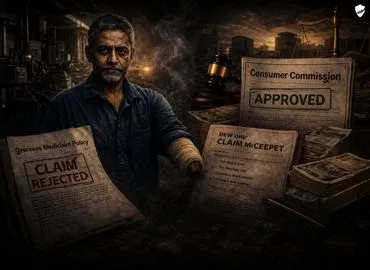
Insurance Case Study: Lost Hand, Won After 6 Years
Insurance policies are designed to provide financial protection during life's most difficult moments. However, claim disputes can sometimes leave policyholders fighting long legal battles even after suffering devastating injuries. This insurance case study examines a workplace accident that resulted in the loss of a hand, a rejected insurance claim, and a six-year fight for justice before the consumer forum ultimately ruled in favour of the policyholder. The case highlights the importance of policy interpretation, medical evidence, and consumer rights when insurers deny accidental injury claims.
A Workplace Accident Abroad Resulted in a Life-Changing Injury
The policyholder was working overseas when a serious workplace accident caused catastrophic injuries to his hand. Despite receiving emergency medical treatment, the severity of the injury eventually resulted in amputation.
The accident permanently altered his ability to work and significantly affected his quality of life. Following the incident, he submitted an insurance claim seeking reimbursement and benefits under the applicable insurance coverage.
Given the seriousness of the injury and the permanent disability involved, the policyholder believed the claim clearly fell within the scope of protection offered by the policy.
Insurer Allegedly Rejected the Claim Despite Severe Permanent Disability
Despite the medical evidence and the extent of the injury, the insurer reportedly denied the claim.
The rejection triggered a major accidental injury insurance claim dispute. The policyholder maintained that the injury was accidental, medically documented, and covered under the policy. The insurer, however, allegedly relied on policy interpretations and claim assessment grounds to deny liability.
As a result, the claimant was left facing both physical hardship and financial uncertainty while attempting to secure the compensation he believed was rightfully payable.
Medical Treatment, Amputation, and Claim Denial Triggered a Long Legal Battle
Following the rejection, the dispute moved through legal and consumer protection channels.
During the proceedings, extensive documentation was examined, including:
The matter ultimately remained unresolved for several years, highlighting how complex insurance disputes can become when coverage interpretation is challenged.
Consumer Forum Examined Policy Coverage, Medical Evidence, and Insurer Liability
When the dispute reached the consumer forum, careful consideration was given to the policy wording, medical evidence, and circumstances surrounding the accident.
The forum examined:
The ruling reinforced the principle that genuine policyholders should not be deprived of valid benefits where policy coverage and supporting evidence justify the claim.
What This Insurance Case Study Reveals About Accidental Injury Claims
This insurance case study demonstrates that severe accidental injuries can lead to prolonged claim disputes despite strong medical evidence.
It also highlights the importance of preserving medical records, disability certificates, treatment documents, and claim correspondence. These records often become critical evidence when claim decisions are challenged before consumer forums or courts.
For policyholders, the case serves as a reminder that claim rejection does not always represent the final outcome. Consumer protection mechanisms exist to review disputes and provide relief where claims have been unfairly denied.
Conclusion
Accidental injury insurance exists to provide financial protection when unforeseen events cause permanent disability or serious bodily harm. However, claim disputes can arise when insurers question policy coverage, disability classification, medical treatment, or eligibility conditions.
Consumer forums and courts have repeatedly emphasized that genuine policyholders should not be denied rightful compensation without valid justification. Individuals working abroad or in high-risk occupations should carefully review policy coverage, preserve medical records, and pursue legal remedies if legitimate claims are unfairly rejected.
Contact us today or visit BasketOption.insure, the leading insurance brokers in Bangalore, for your policy, claims review, expert advisory services and insights on insurance case studies in India. Visit https://basketoption.insure/ or get in touch with our experts today to explore insurance plans that truly care about your needs.
Latest Posts

Our Experts


Frequently Asked Questions
Understand accidental injury claims. Know your consumer rights. Stay protected.
?What is an accidental injury insurance claim dispute?
An accidental injury insurance claim dispute arises when the insurer and policyholder disagree regarding compensation payable for injuries, disability, hospitalization, or permanent impairment resulting from an accident.
?What is an amputation insurance claim case?
An amputation insurance claim case involves a dispute relating to insurance benefits payable after the insured suffers the loss of a hand, arm, leg, foot, or other limb due to an accident or covered event.
?Why do insurers reject accidental injury claims?
Insurers may reject claims due to policy exclusions, coverage interpretation disputes, documentation deficiencies, alleged breach of policy conditions, disagreement regarding disability percentage, or questions regarding the cause of injury.
?What documents are important in accidental disability insurance disputes?
Important documents include insurance policy documents, medical reports and treatment records, disability certificates, hospital bills and discharge summaries, accident reports, employer records (where applicable), and claim forms and insurer correspondence.
?Can insurers deny claims for workplace accidents abroad?
Coverage depends on the specific policy terms. Disputes may arise regarding territorial limits, occupational risks, policy exclusions, or disability benefits.
?What factors do courts examine in accidental injury claim disputes?
Courts generally examine the nature and cause of the accident, medical evidence and disability assessment, policy coverage terms, extent of permanent disability, documentary evidence submitted, and conduct of the insurer and insured.
?Can policyholders legally challenge accidental injury claim rejection?
Yes. Policyholders may approach insurance grievance departments, the Insurance Ombudsman, consumer forums, or civil courts if they believe the rejection was unfair or contrary to policy terms.
?What is wrongful insurance claim rejection?
Wrongful insurance claim rejection occurs when a genuine claim is denied without adequate justification, evidence, or proper interpretation of policy provisions.
?What lessons does this insurance case study teach policyholders?
This case highlights the importance of understanding accident and disability coverage, preserving medical and accident records, reporting claims promptly, maintaining complete documentation, and challenging unfair claim denials when necessary.
?Why are accidental injury insurance case studies important?
These case studies help policyholders understand disability benefits, accident claim procedures, insurer obligations, consumer rights, claim settlement practices, and how courts interpret accidental injury insurance coverage.