Jayanagar 3rd Block East Bangalore-560011, Karnataka India

Insurance Case Study: Gas Warning Ignored, Bus Exploded
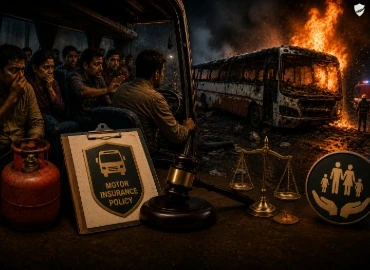
Insurance Case Study: Passengers Smelled Gas in the Bus — Driver Ignored Them, The Bus Exploded
Public transport accidents can have devastating consequences, especially when early warning signs are ignored. In this insurance case study, a routine bus journey reportedly turned into a horrifying disaster after passengers noticed a strong smell of gas inside the vehicle. Despite repeated complaints, the bus allegedly continued its journey until a massive explosion occurred, leading to panic, injuries, and compensation claims. The case highlights important issues related to passenger safety, negligence in motor accident cases, transport operator liability, and insurance claims after public transport accidents.
Passengers Complained About a Strong Gas Smell
During the journey, several passengers reportedly began noticing a strong gas smell inside the bus. Concerned about their safety, passengers allegedly informed the driver and raised repeated warnings regarding the unusual odor.
In commercial and public transport vehicles, complaints involving gas leaks, fuel smells, smoke, or electrical issues are considered serious safety concerns. Such warning signs often indicate potential mechanical failure or fire hazards that require immediate inspection.
Passengers in the bus reportedly became anxious as the smell intensified during the trip. However, according to the case details, the vehicle allegedly continued operating despite multiple complaints from passengers.
This incident later became a significant example in discussions involving:
Driver Continued the Journey Despite Repeated Warnings
As concerns grew among passengers, the driver allegedly chose to continue driving the bus instead of stopping the vehicle for inspection or evacuation.
In many road transport accident insurance claims, negligence becomes a central issue when drivers or operators fail to take reasonable precautions despite obvious warning signs.
Transport operators and commercial vehicle drivers are generally expected to:
The case also raised important questions regarding:
Bus Explosion Triggered Injuries, Panic, and Insurance Claims
The situation reportedly turned catastrophic when the bus exploded during the journey, causing panic among passengers and resulting in severe injuries.
The explosion allegedly led to:
Following the incident, injured passengers and affected families reportedly pursued compensation for:
Passenger compensation insurance cases involving commercial vehicles usually require:
Court Examined Driver Negligence and Transport Liability
During the legal proceedings, the court reportedly examined whether the accident could have been prevented had appropriate action been taken after passengers reported the gas smell.
The court reviewed:
Courts in accident compensation insurance cases often examine whether reasonable safety measures could have prevented the incident. Failure to act on obvious safety risks may strengthen negligence claims against drivers, operators, or transport companies.
The proceedings also highlighted the importance of:
Lessons From This Bus Explosion Insurance Case Study
This insurance case study provides several important lessons for transport operators, drivers, passengers, and insurance policyholders.
| # | Key Lesson | What It Means |
|---|---|---|
| 1 | Passenger Safety Complaints Must Be Taken Seriously | Ignoring safety concerns can lead to severe accidents, injuries, and major legal liability. |
| 2 | Vehicle Maintenance Is Critical | Regular inspection and maintenance of commercial vehicles can help detect gas leaks, electrical faults, and mechanical hazards before disasters occur. |
| 3 | Proper Insurance Coverage Matters | Commercial vehicle insurance and passenger liability coverage are essential for managing financial risks arising from transport accidents. |
| 4 | Negligence Can Increase Legal Liability | Failure to follow reasonable safety precautions may result in compensation claims and court findings against operators or drivers. |
| 5 | Emergency Response Training Is Important | Drivers and transport staff should be trained to respond immediately to passenger complaints and potential vehicle hazards. |
Conclusion
This bus explosion insurance case study highlights how ignored warning signs can lead to tragic consequences in public transport systems. Passenger safety should always remain the top priority for transport operators and drivers.
Public transport accidents can turn deadly when safety warnings are ignored. Proper vehicle maintenance, passenger safety protocols, and insurance coverage are essential to protect lives and reduce legal and financial consequences.
At BasketOption.insure, we help transport businesses and individuals find the right insurance coverage. Whether you need commercial vehicle insurance, passenger liability cover, or expert claims guidance, we're here to help. Visit https://basketoption.insure/ or get in touch with our experts today to explore insurance plans that truly care about your needs.
Latest Posts









Our Experts


Frequently Asked Questions
Understand passenger rights. Know transport liability. Stay protected.
?What is a bus accident insurance claim?
A bus accident insurance claim is a request for compensation filed after injuries, deaths, or losses caused by a bus or public transport accident.
?Can passengers claim compensation after a bus explosion accident?
Yes, injured passengers or families of deceased victims may seek compensation for injuries, medical expenses, disability, or death arising from the accident.
?What happens if a driver ignores passenger safety warnings?
If negligence is proven, the driver, transport operator, or related parties may face legal liability and compensation claims.
?What is commercial vehicle insurance?
Commercial vehicle insurance provides coverage for buses, trucks, taxis, and other transport vehicles against accidents, third-party liabilities, and damages.
?Why is negligence important in accident compensation cases?
Negligence helps courts determine liability and whether the accident could have been prevented through reasonable care and safety measures.
?What documents are important in bus accident insurance claims?
Important documents include FIR and accident reports, medical records and injury reports, insurance policy documents, witness statements, and vehicle inspection records.
?Can transport companies be held liable for passenger injuries?
Yes, transport operators may be legally responsible if accidents occur due to poor maintenance, driver negligence, or safety failures.
?What lessons does this insurance case study teach transport operators?
This case highlights the importance of immediate response to passenger safety complaints, regular vehicle maintenance, proper driver training, adequate insurance coverage, and following public transport safety standards.
?What types of compensation can accident victims receive?
Victims may receive compensation for medical expenses, loss of income, disability or permanent injuries, pain and suffering, and death-related compensation for families.
?Why are insurance case studies important for businesses and transport operators?
Insurance case studies help businesses understand real-world legal risks, negligence issues, compensation liabilities, and the importance of proper insurance planning.