Jayanagar 3rd Block East Bangalore-560011, Karnataka India

Insurance Case Study: Fake Car Crashes for ₹30 Crore
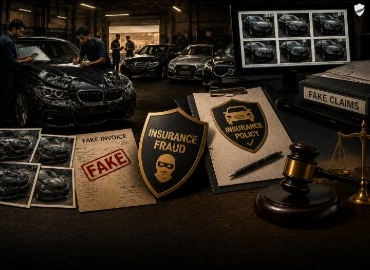
Insurance Case Study: Fake Luxury Car Accidents Used to Claim ₹30 Crore From Insurance Company
Insurance fraud has become one of the biggest challenges for the motor insurance industry. While insurance policies are designed to provide financial protection during genuine losses, fraudulent claims can create massive financial damage for insurers and honest policyholders alike. In this insurance case study, investigators reportedly uncovered a large-scale fake luxury car accident racket allegedly used to claim nearly ₹30 crore from an insurance company. The case raised serious concerns regarding staged accidents, fraudulent motor insurance claims, organized fraud networks, and weaknesses in claim verification systems.
Luxury Car Crashes Were Allegedly Used to Claim Crores
The case reportedly involved multiple luxury vehicle accidents that initially appeared to be genuine road mishaps. High-end cars with expensive repair and insurance values were allegedly used to file substantial compensation claims before insurance companies.
Luxury vehicles are often targeted in insurance fraud schemes because:
The matter reportedly escalated after concerns emerged that some of the accidents may have been staged or manipulated to generate fraudulent compensation claims.
This fake accident compensation claim case later became a major example of how organized insurance fraud networks may operate within the motor insurance ecosystem.
Investigators Suspected a Fake Insurance Claim Racket
As multiple suspicious claims surfaced, investigators reportedly began examining whether the accidents were part of a larger insurance fraud racket.
Insurance fraud investigations typically focus on:
The investigation reportedly examined whether accidents were intentionally staged, damages were exaggerated or fabricated, fake repair costs were generated, and multiple parties coordinated fraudulent claims.
Motor insurance fraud investigations often involve collaboration between insurance companies, fraud detection teams, law enforcement authorities, vehicle inspectors, and financial investigators.
The case highlighted how organized fake insurance claim rackets can potentially exploit gaps in verification and claim settlement systems.
Motor Insurance Fraud Investigation Expanded Across Multiple Claims
As investigators dug deeper, the alleged fraud investigation reportedly expanded into multiple claims involving high-value luxury vehicles.
Fraud investigations in motor insurance cases may include:
Insurance companies generally rely on anti-fraud systems and detailed claim investigations to identify suspicious accident patterns, false documentation, duplicate claims, inflated repair estimates, and organized fraud activity.
The alleged ₹30 crore insurance fraud case demonstrated how fraudulent claims can create massive financial exposure for insurers if fake accidents go undetected. The matter also highlighted the growing role of digital verification tools and fraud analytics in modern insurance investigations.
Authorities Examined Staged Accidents and Insurance Liability
During the legal and investigative proceedings, authorities reportedly examined the alleged staged accidents, insurance policy records, and liability issues connected to the claims.
The investigation reportedly reviewed:
Insurance companies facing fake accident claims often dispute the authenticity of the accident, extent of damages, repair expenses claimed, validity of supporting documents, and liability for compensation payments.
The case reportedly became an important example of how staged car accident insurance fraud can evolve into large-scale legal and financial disputes. Authorities also emphasized the importance of stronger fraud prevention systems within the insurance industry.
What This Insurance Case Study Teaches About Fraudulent Claims
This insurance fraud case study offers several important lessons for insurers, vehicle owners, and policyholders.
| # | Key Lesson | What It Means |
|---|---|---|
| 1 | Insurance Fraud Impacts Everyone | Fraudulent claims increase operational losses and may ultimately result in higher premiums for genuine customers. |
| 2 | Strong Verification Systems Are Essential | Insurance companies must strengthen fraud detection, claim investigation, and digital verification systems. |
| 3 | Luxury Vehicle Claims Require Detailed Scrutiny | High-value vehicle claims may require enhanced inspection and documentation checks. |
| 4 | Organized Fraud Networks Can Exploit Weak Processes | Fraudsters may coordinate fake accidents, repair bills, and supporting documents to manipulate claims. |
| 5 | Ethical Insurance Practices Matter | Genuine claims depend on trust, transparency, and proper verification within the insurance ecosystem. |
Conclusion
This insurance case study involving alleged fake luxury car accidents and ₹30 crore insurance claims highlights the growing challenges of insurance fraud in the motor insurance sector.
Insurance fraud affects not only insurance companies but also genuine policyholders who ultimately bear higher costs. Strong fraud detection systems, proper claim investigations, and ethical insurance practices are essential to prevent fake claim rackets.
At BasketOption.insure, we promote transparent, ethical insurance practices. Whether you're filing a genuine motor claim or need guidance on insurance coverage, our experts help you navigate every step. Visit https://basketoption.insure/ or get in touch with our experts today to explore insurance plans that truly care about your needs.
Latest Posts




Our Experts


Frequently Asked Questions
Understand insurance fraud risks. Protect genuine claims. Stay covered.
?What is insurance fraud in motor insurance claims?
Insurance fraud occurs when false, exaggerated, or staged claims are filed to illegally obtain compensation from insurance companies.
?What is a staged car accident insurance fraud?
A staged accident involves intentionally creating or faking a vehicle accident to claim insurance money fraudulently.
?Why are luxury vehicles often involved in insurance fraud cases?
Luxury vehicles typically involve high-value insurance policies and repair costs, making them attractive targets for fraudulent insurance claims.
?How do insurance companies detect fake accident claims?
Insurance companies use accident investigations, CCTV and digital evidence, vehicle inspection reports, claim history analysis, and forensic fraud detection teams.
?Can fake insurance claims lead to criminal charges?
Yes, fraudulent insurance claims may result in criminal investigations, fraud charges, penalties, and legal proceedings.
?What documents are important in motor insurance fraud investigations?
Important documents include insurance policy records, accident reports, vehicle inspection reports, CCTV footage, repair bills, claim documents, and witness statements.
?What is an insurance fraud investigation?
An insurance fraud investigation examines suspicious claims to determine whether false information, staged accidents, or fraudulent activities were involved.
?What lessons does this insurance case study teach insurers?
This case highlights the importance of strong anti-fraud systems, thorough claim verification, digital evidence analysis, monitoring suspicious claim patterns, and rapid fraud detection.
?How does insurance fraud affect genuine customers?
Insurance fraud can increase insurance premiums, delay claim processing, and create stricter verification procedures for genuine policyholders.
?Why are insurance fraud case studies important?
Insurance fraud case studies help insurers, businesses, and policyholders understand real-world fraud risks, investigation methods, legal consequences, and the importance of ethical insurance practices.